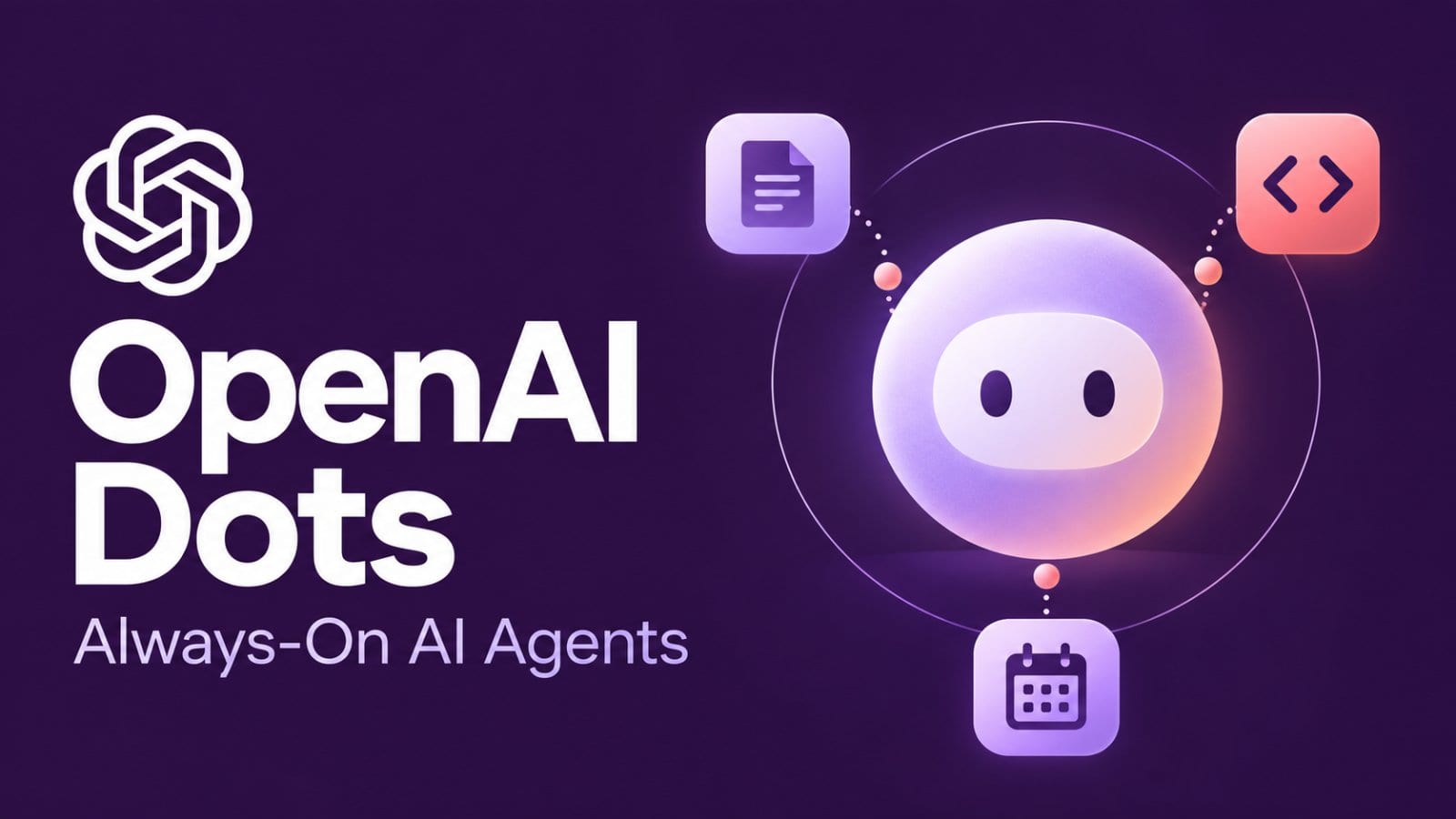
🔍 OpenAI's launch of Dots is revolutionary: AI agents that persistently manage tasks. On September 29, 2026, OpenAI introduced Dots, AI agents that operate continuously to enhance productivity. Dots use the GPT-6 Astra model, running autonomously on cloud platforms. These agents connect through ChatGPT plugins across 4,000 applications, automating tasks from calendar management to customer support.
This strategic move underscores OpenAI's dedication to responsible AI by prioritizing productivity tools over more advanced but potentially riskier models. Initially, Dots are accessible to ChatGPT Pro and Business Premium users in select areas, with the first Dot offered free. While early adopters have pointed out some issues, such as permission glitches, these are expected kinks in a high-potential tool.
Amidst competitive pressure from AI leaders like Meta's Muse, Dots define what's next in AI assistants. The era of AI-driven productivity isn't on the horizon, it's already begun.
📊 Token or Investment? The SEC's Latest Clarity
On September 25, 2026, the SEC's Division of Corporation Finance issued FAQs that shed light on crypto asset classification. For Web3 developers, understanding the distinction between a utility token and an investment contract is crucial. Here's a breakdown:
✅ Token Buybacks: A functional network token announced for buyback isn't automatically an investment contract.
✅ Network Promises: Marketing usage must avoid implying profit potential to prevent being deemed a security.
✅ Staking Receipts: These may be classified as digital tools or commodities, depending on the asset's characteristics.
This guidance builds on the SEC's March 17 interpretation, reminding developers that while these insights have no legal standing, they are vital navigational tools.
Web3 innovators should align their projects to these standards to ensure compliance.
[Link to full article in the first comment]

⚙️ Agentic AI in AI Native Startups
Integrating agentic AI into development workflows can accelerate innovation for AI native startups. Here's how this can enhance your operations:
✅ 𝗔𝘂𝘁𝗼𝗺𝗮𝘁𝗲𝗱 𝗜𝗻𝘀𝗶𝗴𝗵𝘁𝘀: Tools like Atlassian's 'Agentic loops' in Jira automatically convert backlog items into actionable pull requests, reducing manual effort and expediting development cycles.
✅ 𝗦𝗲𝗮𝗺𝗹𝗲𝘀𝘀 𝗜𝗻𝘁𝗲𝗴𝗿𝗮𝘁𝗶𝗼𝗻: Platforms like Workato allow secure, efficient AI integration with existing systems, minimizing bespoke configurations.
✅ 𝗥𝗲𝘀𝗼𝘂𝗿𝗰𝗲 𝗢𝗽𝘁𝗶𝗺𝗶𝘇𝗮𝘁𝗶𝗼𝗻: OutSystems' Agent Workbenches empower teams to create intelligent agents that streamline operations across various data sources, optimizing resource allocation.
These integrations enhance productivity and foster a culture of continuous learning and adaptation. By embracing agentic AI, startups can transform their development workflows and catalyze innovation, moving beyond traditional coding practices to integrate AI as a core development strategy.
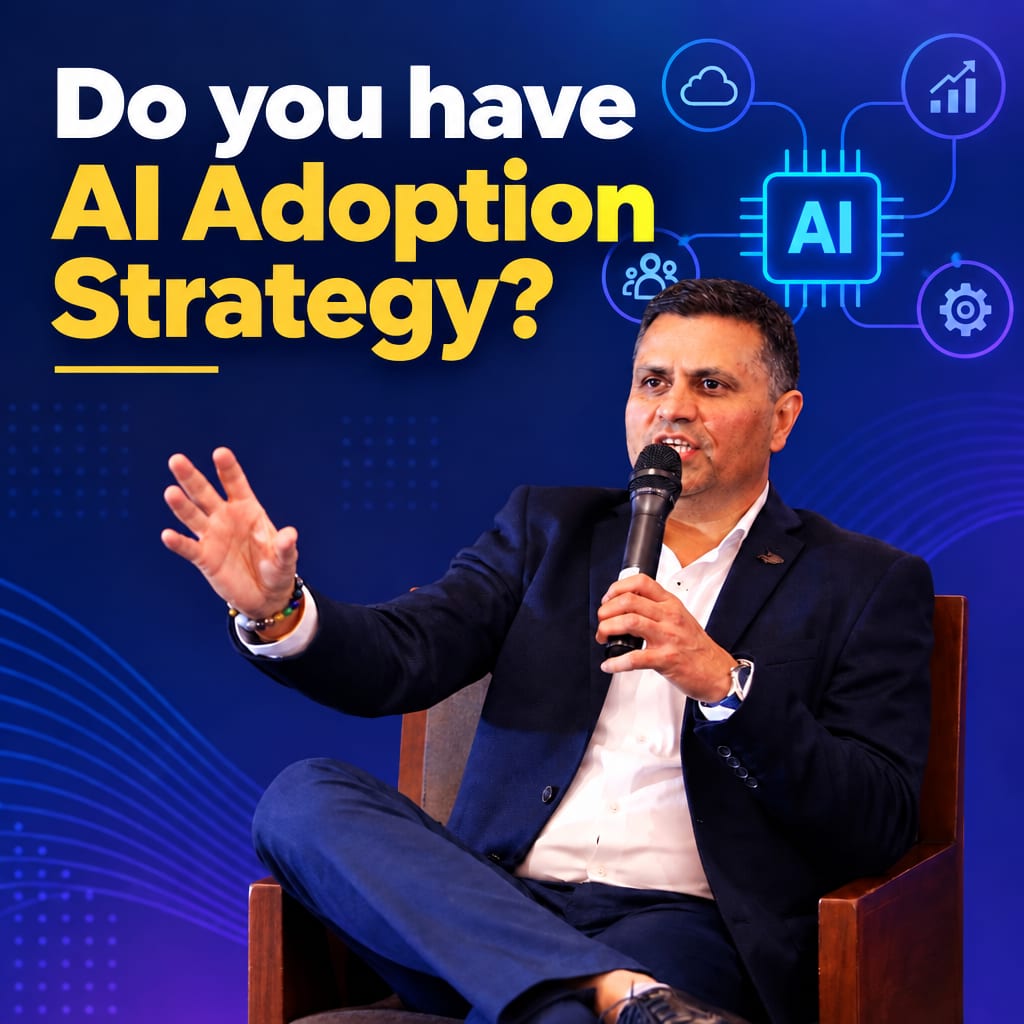
Looking for Advisory on your AI Adoption Strategy? At @Mindcracker, we've been helping enterprises and startups with their AI integration, implementation, and adoption strategy.
Check out mindcracker.com or DM me!
🌐 Auditing startup websites for GEO readiness revealed critical insights.
Many startups still approach digital presence with outdated SEO tactics, focusing on keywords without using AI's decision-making ability.
Here's what I found:
✅ Only 3 out of 10 startups prioritize structured metadata, which is crucial for AI-driven engines like ChatGPT and Claude to evaluate site credibility.
✅ A significant 70% haven't optimized for natural language, posing challenges for AI assistants to parse their content effectively.
✅ Encouragingly, two startups excelled by integrating user-generated content, highly favored by AI for citation and ranking.
To stand out in an AI-driven landscape, ensure your content addresses both human audiences and AI. This dual focus enhances your brand's perceived credibility and relevance.
improve your GEO strategy now; the future is happening today.
📚 This weekend, I'm digging into transformative reads for founders. Building a startup presents significant challenges, and learning from others is invaluable.
Here are my top must-reads:
✅ "Zero to One" by Peter Thiel, Offers unique insights into creating new things, not just competing.
✅ "The Lean Startup" by Eric Ries, A guide on testing and iterating quickly.
✅ "Shoe Dog" by Phil Knight, The raw story behind Nike's journey.
These books illuminate paths and pitfalls in startup journeys. Whether you're refining your product or expanding your market, insights from these reads can guide your steps.
🧬 AI-native or AI-assisted: Which path forward?
In the evolving field of AI, understanding the distinction between AI-native and AI-assisted solutions is crucial.
✅ AI-native solutions are developed from scratch with AI at their core, driving first-principles innovation and ideal for startups pioneering new ground.
❌ AI-assisted tools enhance existing processes, offering incremental improvements but lacking the transformative potential needed in a fiercely competitive market.
Selecting the right approach influences how adaptive and future-ready your operations will be. Align your choice with your strategic goals for success.
🚨 When a team faces a crisis, exceptional CTOs make decisive moves.
I've witnessed it: projects unravel, deadlines loom, and panic ensues. True leaders do more than react, they strategize effectively.
Here's what successful leaders do:
✅ Communicate Constantly: Regular updates cut through chaos and restore clarity.
✅ Prioritize Ruthlessly: Focus on tasks that deliver real value, not just urgency.
✅ Encourage Ownership: Empower the team to lead in problem-solving, building trust and accountability.
The strength of your leadership is revealed in a crisis. Lead with clarity and confidence in turbulent times.
🔍 Tokenization isn't just a buzzword, it's a fundamental shift for startups in 2026.
Tokenization transforms real-world assets into digital tokens on the blockchain, allowing unprecedented frictionless trading.
✅ Transactions: Tokens move instantly, cutting transfer wait times.
✅ Increased Liquidity: Assets like property become tradable, akin to stock market shares.
✅ Greater Transparency: Each transaction is recorded on an immutable ledger.
The future rewards those who wisely navigate these opportunities while addressing potential pitfalls, such as market volatility and security protocols.
Understanding tokenization is essential for maintaining competitiveness in today's digital landscape.

🧬 The top 5 content signals for LLM citations!
In Generative Engine Optimization (GEO), earning citations from AI assistants is essential. Tailoring your content for platforms like ChatGPT and Gemini hinges on these signals:
✅ Authority: Build credibility as a trusted source. After publishing detailed C# guides, I saw a surge in mentions.
✅ Relevance: Ensure your content addresses the specific queries users ask, based on real-world scenarios.
✅ Consistency: Maintain regular updates and provide fresh insights to stay relevant.
✅ Clarity: Use clear and concise language. Avoid excessive jargon to increase your content's likelihood of being cited.
✅ Engagement: Stimulate discussion with your content to boost its visibility and shareability.
AI engines and assistants are transforming information discovery. Adapting to this change is crucial for maintaining visibility.
🧠 Why does some content appear in AI-generated responses while others fall short?
Today, visibility transcends traditional SEO. It's time to focus on GEO, Generative Engine Optimization. improve your content with these strategies:
✅ Structured Content: Use clear headings and concise paragraphs. This helps AI parse and interpret your content accurately.
✅ Schema Markup: Implement FAQ and HowTo schemas. These guide AI engines in effectively extracting and presenting your material.
✅ Direct Answers First: Begin with a clear, concise answer or definition to enhance your chances of being featured in AI responses.
✅ Consistent Entity Signals: Ensure uniform naming and location data across all your platforms for accurate recognition and citation by AI models.
It's not just about visibility; it's about being the trusted source for AI.
Incorporating statistics from credible sources boosts your authority and citation potential. For instance, "85% of marketers report a 30% increase in GEO visibility by using structured data!"
In this AI-driven age, mastering GEO is crucial. Implement these strategies to ensure your content stands out as a reliable source in generative AI models.